



Practical Guide: Multi‑Currency Support, Air‑Gapped Security, and Desktop Wallets for Everyday Crypto Holders
I’ve been keeping crypto in various forms for years. I started with a hot wallet on my phone, then graduated to hardware devices, and lately I’ve spent more time with desktop apps that pair with air‑gapped hardware. The learning curve surprised me. Some parts were obvious; others took mistakes and a few late nights to really understand. If you’re looking for an approachable way to balance convenience, breadth of coin support, and real security, this piece is for you.
Short version: if you hold more than a handful of tokens, you need multi‑currency support. If you hold meaningful value, you need air‑gapped or true cold storage. And if you use a desktop, pick a wallet ecosystem that treats the desktop as a secure workspace, not just an interface. Below I unpack why each matters, the tradeoffs, and practical steps to get set up without overcomplicating things.

Why multi‑currency support matters (and when it doesn’t)
Most people think “crypto wallet” and imagine Bitcoin alone. Not realistic anymore. The ecosystem has exploded: EVM chains, Solana, Cosmos zones, Layer‑2s, NFTs, stablecoins, and custom tokens. A good multi‑currency wallet saves time and reduces error. You can see all your holdings in one place, manage swaps, and handle chain‑specific actions without juggling a dozen separate wallets.
But: breadth can dilute depth. Some wallets list 1,000 tokens but only fully support a handful with advanced features like staking, contract interactions, or native swap routing. So ask: do you need raw balance visibility, or do you need full operational support (staking, delegation, contract calls)? The answer shapes which desktop app + device combo you choose.
Practical checklist:
- List the chains and token types you actually use.
- Confirm the wallet supports those chains natively (not just label rendering).
- Check the developer activity and firmware updates if you use a hardware device.
Air‑gapped security: what it is and why it still wins
Air‑gapped means the signing device never touches the internet. Period. Transactions are created on an online machine, transferred to the air‑gapped device (QR, microSD, USB with no host connection, whatever the design), signed offline, then the signed transaction is exported and broadcast by the online machine. Sounds tedious? It can be, at first. But that friction is the feature: it greatly reduces the attack surface.
Benefits:
- Protection from remote compromise: malware on your desktop can read your unsigned transaction draft, but can’t extract private keys from a properly implemented air‑gapped device.
- Better for large holdings: if you control significant funds, the extra steps buy time and safety.
Limitations and tradeoffs:
- User friction — making frequent micro‑transactions becomes annoying.
- Physical attack vectors remain: if someone steals or tampers with the device, all bets are off unless you have strong passphrase protections.
- Compatibility — not every desktop wallet or dApp flow is designed to support air‑gapped signing elegantly.
My practical advice: reserve air‑gapped storage for cold vaults (large holdings, long‑term assets). Use a separate, more convenient hot/custodial or hardware‑connected wallet for daily spending and small allocations. Keep seed backups offline and redundantly (two offline locations), and consider a passphrase (BIP39 passphrase) only after you fully understand how it changes your backup process.
Desktop apps: safe workspace or attack vector?
Desktop wallets sit between convenience and risk. A well‑designed desktop app can be a powerful hub: local signing, rich UX, plugin support. But desktops also run general OS software, which increases exposure. Here’s how to make a desktop wallet work for you.
Security practices for desktop wallet use:
- Use official builds and verify signatures when available. Many wallets publish PGP or checksum details—verify them.
- Keep the OS updated and minimize unnecessary software. Less clutter = fewer vulnerabilities.
- Prefer wallets that separate transaction construction (online) from signing (offline) when pairing with air‑gapped devices.
- Consider running the wallet in a dedicated user account or VM if you’re technically comfortable—this limits cross‑process risks.
There are also UX considerations. A desktop app that integrates with an air‑gapped device using QR codes or microSD is easier to use than a system requiring manual hex blobs. And if you rely on staking, delegation, or advanced DeFi interactions, check whether the desktop client supports contract calls securely (some clients expose raw contract interaction screens that are dangerous unless you know what you’re doing).
Choosing a practical setup
Here’s a setup that balances real‑world convenience and security for many users:
- Primary cold storage: air‑gapped hardware device with strong multi‑currency firmware. Keep seed phrase in two offline copies.
- Daily wallet: a desktop app connected to a hardware wallet (USB or Bluetooth with strict confirmation prompts) for routine transactions and interactions.
- Hot wallet: small balance on a mobile app for spending and quick swaps.
Use secure passphrases and PINs on all devices. Test recovery procedures before moving large sums—restore the seed to a second device and verify you can get balances and send a tiny test transaction. That step is crucial and often overlooked.
If you prefer a commercial recommendation, I’ve seen solid usability combined with multi‑chain support in several ecosystems. One option that blends air‑gapped signing with a friendly desktop and mobile workflow is safepal, which offers a variety of device types and companion software. Do your own review and be sure to verify firmware and app signatures.
Common mistakes I keep seeing
Okay, here are the repeat offenders that bug me:
- Backup complacency: people assume a screenshot or a cloud note is fine—it’s not.
- Single‑device dependency: if you only have one hardware device and it’s lost/damaged, recovery becomes painful if your seed backup is unclear.
- Blindly trusting UI labels: token renames and fake assets can trick you into signing bad transactions. Always confirm contract addresses for large transfers.
FAQ
Do air‑gapped devices work with all tokens and chains?
Not always. Many air‑gapped devices support the major chains and common token standards, but some niche chains or complex DeFi interactions require a desktop/mobile companion that understands those protocols. Always check the supported assets list and recent firmware updates before committing significant funds.
Is a desktop wallet safer than a mobile app?
Safer in some ways, riskier in others. Desktop apps allow more isolation strategies (VMs, dedicated accounts) and often have richer signing workflows. But desktops run more software and can host more malware. The key is isolation practices and whether you pair the desktop with air‑gapped or hardware signing.
How should I store seed phrases?
Offline, redundant, and resistant to environmental damage. Metal backup plates are popular for fire/water resistance. Split backups (shamir) add resilience but complicate recovery. Whatever you choose, document the recovery process for a trusted person under appropriate legal and privacy protections.
Chia sẻ bài viết





Tin sản phẩm

PHƯỚC BÌNH LAKEVIEW – SIÊU SẢN PHẨM KHU ĐÔ THỊ NAM SÂN BAY

NHỮNG TIỆN ÍCH HẤP DẪN DẪN TỪ SẢN PHẨM GOLDEN CENTER

GOLDEN CENTER – VỊ TRÍ TRUNG TÂM KẾT NỐI GIAO THÔNG HOÀN HẢO
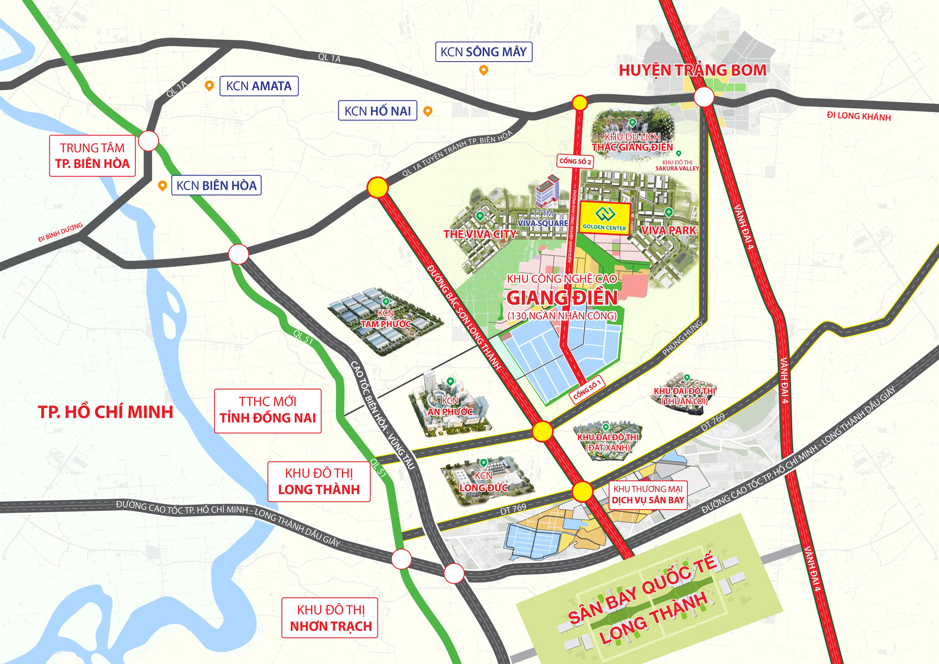
GOLDEN CENTER – SỨC HÚT CỦA VỊ TRÍ TRUNG TÂM

KHU DÂN CƯ AN NGÃI HƯỞNG LỢI TỪ QUY HOẠCH CỬA NGÕ BIỂN BÀ RỊA – VŨNG TÀU
Tin thị trường

BÌNH THUẬN SẴN SÀNG CHO LỄ KHỞI CÔNG CAO TỐC VĨNH HẢO – PHAN THIẾT – DẦU GIÂY NGÀY 30/9

CAO TỐC, SÂN BAY, BẾN CẢNG: AI KHÔNG LÀM THÌ ĐỨNG SANG MỘT BÊN !

(CAFEF.VN) – HAI YẾU TỐ “VÀNG” SẼ TẠO SỨC BẬT CHO THỊ TRƯỜNG BĐS NGAY KHI DỊCH BỆNH KẾT THÚC

(CAFEF.VN) – TRONG KHÓ KHĂN THÁCH THỨC, NHIỀU NHÀ ĐẦU TƯ BĐS COI ĐÂY LÀ CƠ HỘI VÀ LẠC QUAN VÀO THỊ TRƯỜNG TRONG DÀI HẠN

(CAFELAND.VN) – ĐỒNG NAI: HƠN 3.100 TỈ ĐỒNG XÂY TUYẾN ĐƯỜNG TRUNG TÂM TP. BIÊN HÒA
Hoạt động