



Why “Seeing Is Believing” Is a Dangerous Shortcut: How to Use BaseScan (the Base Explorer) Without Getting Misled
A common misconception among new users and some developers is that visibility in an on‑chain explorer equals safety or finality. You can look up an address, see token transfers, and feel reassured — but explorers are an indexing and presentation layer, not a truth oracle. BaseScan gives you detailed windows into activity on Base (an EVM‑compatible Layer 2), yet those windows have frames: synchronization delays, label gaps, metadata blind spots, and the hard limit that an explorer cannot replace careful analysis of contract logic or off‑chain context.
This article is aimed at Base ecosystem users and developers who rely on BaseScan to check addresses, transactions, tokens, and smart contracts. I’ll explain the mechanisms that make an explorer useful, show where it systematically breaks down, offer practical heuristics you can reuse, and point to what to watch next if you want more reliable on‑chain decision making in the US context (regulatory and operational practices included).

How BaseScan Works — Mechanisms, not metaphors
At its core, a blockchain explorer like BaseScan does three things: it listens to the Base network, stores (indexes) the data it receives, and presents that indexed data in human‑readable pages (addresses, blocks, transactions, token pages, contract pages). Because Base is an Ethereum Layer 2, the familiar EVM concepts govern what you see: contract addresses, event logs, ERC‑20/721 transfers, gas usage, and internal transaction traces. Developers use those pages to inspect deployments, trace failed calls, and confirm that a bridge or token approval executed as intended.
But “listening” involves infrastructure. Nodes relay blocks, the explorer’s indexer parses those blocks, and the web interface renders the results. Each stage adds failure modes: node forks or lag, indexer bugs or throttling, and front‑end metadata not yet populated (for example, token symbols or verified source code). That dependency chain explains why sometimes a transaction that ‘succeeded’ on the network looks incomplete in the explorer for a short time — a synchronization gap rather than a protocol failure.
What BaseScan helps you verify — and what it cannot
Use cases where BaseScan is reliable:
– Transaction verification: confirm transaction hash, block number, gas used, and whether the on‑chain state change was mined.
– Event confirmation: read emitted events to validate that a contract emitted the expected logs (e.g., Transfer events).
– Contract discovery: inspect contract creation transactions and, when available, view verified source code and ABI to understand function signatures.
– Token tracking: follow token transfers, holders list snapshots, and token page summaries for on‑chain movement.
What BaseScan cannot do for you:
– Custody or control: it cannot reverse transactions, recover private keys, or custody assets. It’s read‑only.
– Trustworthiness verdicts: labels and token badges are helpful but incomplete. A token that looks legitimate on an explorer may still be a scam if the underlying contract contains malicious logic or if external promises (airdrops, rewards) are bogus.
– Instant completeness: indexing lag can hide very recent actions; the explorer’s view is near‑real‑time but not a guaranteed single source of truth at every millisecond.
Common myths vs reality — the important differences
Myth: “If a token transfer shows up on BaseScan, the funds are safe.” Reality: The transfer shows that on‑chain execution occurred, but safety depends on custody of keys, contract code, and off‑chain interactions (bridges, custodians). For example, bridge transfers that leave Base might require off‑chain reconciliation; seeing an outgoing transaction does not guarantee the bridge operator completed its side.
Myth: “A verified contract on an explorer is fully audited.” Reality: Verified source code simply means the source was uploaded and matches bytecode; it is not the same as a security audit. Treat “verified” as a transparency signal, not a security certificate.
Decision‑useful heuristics for developers and users
1) Start with the trace: When a transaction fails or behaves oddly, open the internal transaction trace (if available) before concluding the problem is front‑end code. Traces reveal internal calls and failed requires/asserts that often point to missing approvals, wrong calldata, or reentrancy protections being triggered.
2) Verify token identity on multiple axes: token contract address and event history are primary; token symbol/name are secondary because they are mutable metadata. Check holder distribution and transfer cadence to spot wash trades or minting anomalies.
3) Use block confirmations appropriately: despite Base’s higher throughput and lower gas costs, rare reorganizations still happen. For large‑value transfers or bridge exits used in US regulatory or compliance contexts, wait for more confirmations or cross‑check with a node provider rather than assuming one block equals finality.
4) Audit the metadata pipeline: if a contract’s ABI or source code is missing, the explorer can’t show decoded input/output. Ask the development team to publish verification artifacts or use locally stored ABIs to decode calls when you need confidence during debugging or monitoring.
Where explorers run into structural limits — tradeoffs to know
Indexing depth vs latency. To be feature rich (off‑chain metadata enrichment, token holder snapshots, ERC‑1155 batch decoding), explorers run heavier indexers that can lag. Lightweight indexers are faster but show less context. This is a tradeoff between living latency and analytical depth.
Standardization vs innovation. Base inherits Ethereum standards; this compatibility speeds developer tooling and makes BaseScan useful to people familiar with etherscan‑style explorers. But new L2 features or optimizations (state proofs, different sequencing) could outpace established explorer assumptions, producing edge cases where event ordering or gas accounting looks different than expected.
Practical workflows: combining BaseScan with other tools
For serious verification, treat BaseScan as the first leg of a three‑part check:
– On‑chain check: use BaseScan to confirm block/time/transaction hash and read event logs.
– Node check: query a trusted Base node (or RPC provider) to confirm the raw receipt and proof if your decision requires cryptographic confirmation.
– Code check: fetch verified source or run static analysis tools on the contract code to surface risky patterns (owner‑only minting, paused states, upgradeable proxies, privileged functions).
For US users engaged in compliance, add an operational checklist: record timestamps, collect transaction receipts, and map addresses to KYC or counterparty records where applicable. Explorers give transparency but do not replace recordkeeping practices that regulators expect.
What to watch next — signals that change the calculus
Watch three classes of signals that would materially change how you use BaseScan: infrastructure robustness (indexer uptime, sync lag metrics), tooling integration (ABI verification adoption rates, plugin availability in popular wallets), and protocol evolution (changes in Base’s sequencing or optimistic/finality mechanisms). If explorer indexers grow more decentralized or support cryptographic proofs of indexing, the trust boundary between “what I see” and “what’s finalized” narrows. Conversely, if bridge providers or custodians centralize more off‑chain reconciliation, on‑chain visibility may need richer off‑chain attestations to be decision‑useful.
If you want to explore transactions, contracts, or token activity directly, start at the official explorer and use these heuristics to avoid the most common traps. For direct BaseScan access and to practice the verification steps above in a real UI, see base scan.
FAQ
Q: If a transaction shows “Success” on BaseScan, can I assume it’s irreversible?
A: Not automatically. “Success” means the transaction executed in the block the explorer has indexed. Finality assumptions depend on Base’s L2 consensus and the number of confirmations. For high‑value operations, cross‑check with a trusted node and allow multiple confirmations to reduce reorg risk.
Q: How can I tell whether a token’s on‑chain behavior is legitimate?
A: Look beyond token transfers. Inspect the contract code (if verified), track minting events and total supply changes, review holder concentration, and search for admin‑only functions or upgradeable proxies. Use the explorer for signals but combine code review and off‑chain context before trusting a token.
Q: Why might a recent transaction not appear immediately on BaseScan?
A: Delay can come from node propagation, indexer lag, or front‑end metadata processing. If you need lower latency verification, query an RPC provider directly or run your own node to observe block inclusion without intermediate indexing delays.
Q: Are verified contracts on BaseScan guaranteed safe?
A: No. Verification only proves that published source matches on‑chain bytecode. It does not imply a security audit or that the contract logic is safe. Treat verification as transparency that enables further review, not as certification.
Chia sẻ bài viết





Tin sản phẩm

PHƯỚC BÌNH LAKEVIEW – SIÊU SẢN PHẨM KHU ĐÔ THỊ NAM SÂN BAY

NHỮNG TIỆN ÍCH HẤP DẪN DẪN TỪ SẢN PHẨM GOLDEN CENTER

GOLDEN CENTER – VỊ TRÍ TRUNG TÂM KẾT NỐI GIAO THÔNG HOÀN HẢO
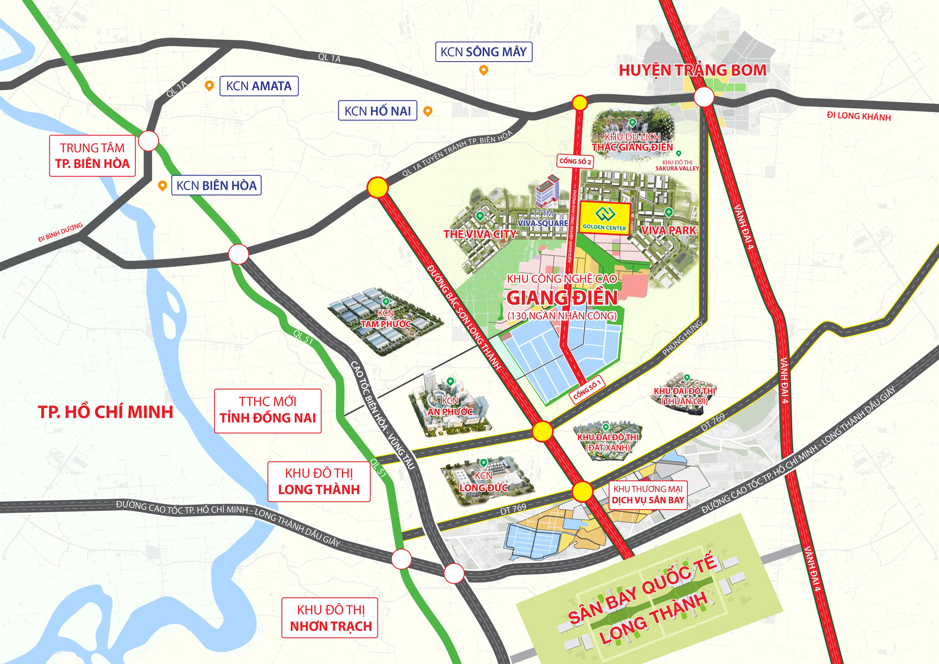
GOLDEN CENTER – SỨC HÚT CỦA VỊ TRÍ TRUNG TÂM
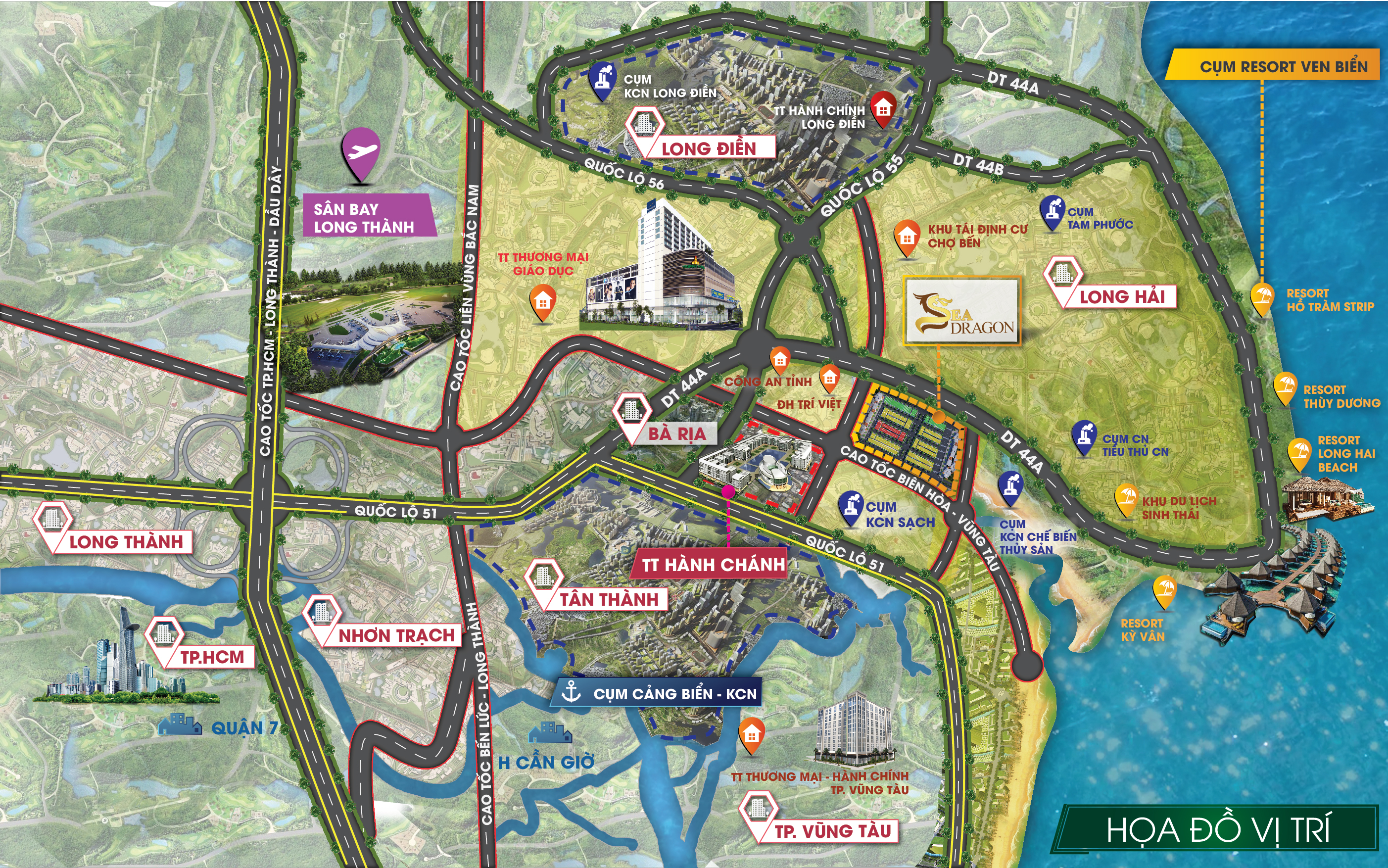
KHU DÂN CƯ AN NGÃI HƯỞNG LỢI TỪ QUY HOẠCH CỬA NGÕ BIỂN BÀ RỊA – VŨNG TÀU
Tin thị trường

BÌNH THUẬN SẴN SÀNG CHO LỄ KHỞI CÔNG CAO TỐC VĨNH HẢO – PHAN THIẾT – DẦU GIÂY NGÀY 30/9

CAO TỐC, SÂN BAY, BẾN CẢNG: AI KHÔNG LÀM THÌ ĐỨNG SANG MỘT BÊN !

(CAFEF.VN) – HAI YẾU TỐ “VÀNG” SẼ TẠO SỨC BẬT CHO THỊ TRƯỜNG BĐS NGAY KHI DỊCH BỆNH KẾT THÚC

(CAFEF.VN) – TRONG KHÓ KHĂN THÁCH THỨC, NHIỀU NHÀ ĐẦU TƯ BĐS COI ĐÂY LÀ CƠ HỘI VÀ LẠC QUAN VÀO THỊ TRƯỜNG TRONG DÀI HẠN

(CAFELAND.VN) – ĐỒNG NAI: HƠN 3.100 TỈ ĐỒNG XÂY TUYẾN ĐƯỜNG TRUNG TÂM TP. BIÊN HÒA
Hoạt động